Selling a coastal home in Newport can feel like balancing timing, pricing, presentation, and paperwork all at once. If you want a strong result without unnecessary stress, the key is to focus on the details that matter most in this market. With the right plan, you can position your home to stand out, attract serious buyers, and keep the process moving smoothly. Let’s dive in.
Know Newport’s Market Rhythm
Newport is not a one-size-fits-all market. In March 2026, Newport County showed a 97% sale-to-list ratio, 48 median days on market, and a $995,000 median listing price. In Newport itself, there were 108 homes for sale, a $1,147,500 median listing price, and 62 median days on market.
Those numbers tell you two important things. First, buyers are active, but they are still price-sensitive. Second, a coastal listing in Newport needs a strategy built around its exact location, condition, and timing rather than broad county averages alone.
Newport also moves with the seasons. The area’s busiest travel period stretches through fall, with major events, cruise traffic, motor coach arrivals, and steady visitor activity shaping how busy the city feels. That means your launch window can affect everything from buyer attention to showing logistics.
Time Your Launch Carefully
For many Newport coastal sellers, late winter to early spring can be an effective time to go live. This timing can help you catch buyers before summer tourism, weddings, and event traffic intensify. It can also give your listing a cleaner runway when schedules are often easier to manage.
A late-summer or fall launch can still work well in Newport because the local peak season runs longer than in many markets. With events continuing into the fall, buyer interest does not simply stop after summer. The right timing depends on your home, your goals, and how ready you are to present the property at a high level.
National Realtor.com research for 2026 found that the week of April 13 to 19 has historically brought 1.1% higher prices, 17.7% more views, 13.2% less competition, and homes selling nine days faster. While that is not a Newport-specific study, it supports the broader idea that a well-prepared spring launch can create an edge.
Price With Hyperlocal Discipline
In Newport, pricing is where many sellers either gain momentum or lose it. The city’s broad numbers are helpful guardrails, but they do not capture the sharp differences between neighborhoods and coastal settings. On the same city page, neighborhood examples ranged from about $1.395 million in Fifth Ward to about $2.1725 million in Ocean Drive.
That spread matters. A waterfront home, a property with water views, or a house near a specific district can command very different attention than a similar-sized home elsewhere. If you price off the highest comp in a wider area instead of the most relevant nearby sales, your listing can sit longer than expected.
The local numbers reinforce that point. In March 2026, Newport County homes sold for about 3.07% below asking on average, while Newport city homes sold for about 3.56% below asking. In practical terms, buyers are engaging, but they are not simply accepting aspirational pricing.
What smart pricing looks like
A strong Newport pricing strategy usually means:
- Comparing your home to the same neighborhood, district, or waterfront setting whenever possible
- Adjusting for view, dock access, lot position, renovation level, and outdoor usability
- Using city and county data as a backdrop, not a substitute for a true comp analysis
- Pricing for condition honestly, especially if the buyer will inherit deferred work
If your home is turnkey, that can support a premium. If it needs updates or exterior work, the market will often reflect that quickly. The goal is to meet the first wave of serious buyers with a price that feels credible and compelling.
Focus on Exterior Presentation First
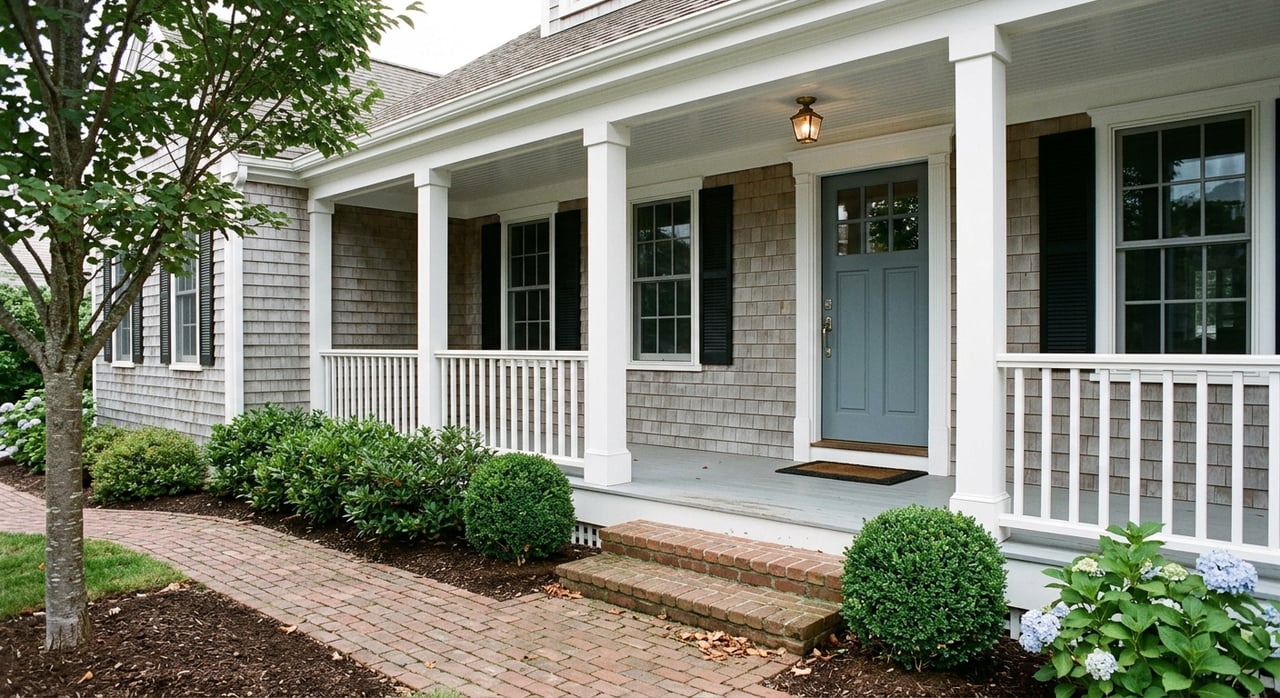
In a coastal market like Newport, buyers often form their first opinion before they walk through the front door. Streetscape, exterior condition, and the feeling of the approach all matter. That is especially true in areas shaped by historic character and strong visual expectations.
The City of Newport Historic District Commission’s elevation guidelines emphasize streetscape, site design, foundation design, and preservation of historic materials. Even if your sale does not involve major work, that context matters because buyers notice how well a home fits its setting and how easy it looks to maintain.
Start with the basics early. Small exterior repairs, clean trim, tidy landscaping, and uncluttered outdoor areas can make a bigger difference than many sellers expect. A polished exterior helps buyers feel the home has been cared for.
Presentation priorities that help coastal homes shine
Before your home hits the market, focus on:
- Finishing small exterior repairs
- Cleaning windows and improving natural light
- Simplifying entry areas and outdoor entertaining spaces
- Clearing storage areas and side yards of visual clutter
- Making decks, patios, and indoor-outdoor flow easy to understand in photos and showings
For many Newport listings, exterior usability is part of the value story. Buyers are not only evaluating square footage. They are also reacting to how the home lives day to day, especially in the warmer months.
Make Photos Tell the Right Story
Your photography should help buyers understand why your property feels special. In Newport, that often means showing sightlines, natural light, outdoor spaces, and any relationship to the surrounding setting. If your home has water views, seasonal views, or a strong connection between interior rooms and exterior living areas, that should be easy to see.
Strong listing photos also reduce wasted showings. When buyers can understand the layout, condition, and lifestyle features upfront, the people who schedule tours are often more serious. That can lead to a smoother, lower-friction launch.
This is where preparation matters. Fresh staging, open surfaces, and a clear visual flow make it easier for buyers to imagine using the space. The goal is not to over-style the property. It is to present it clearly and confidently.
Avoid Last-Minute Exterior Projects
If you are considering major exterior work or elevation-related resilience improvements, think carefully about timing. In Newport’s historic district, elevation projects require Commission review and approval, proof that the building is in a FEMA flood zone, and documentation such as an elevation certificate, floor plans, site plan, and exterior photographs.
That kind of review can take time. If you begin a major project right before listing, you may create delays or uncertainty that weaken your launch. In many cases, it is better to complete the work first or wait and price the home accordingly.
This does not mean every seller should take on a major project. It means your pre-listing plan should account for approvals, timelines, and how unfinished work may be viewed by buyers. Calm execution almost always beats rushed decision-making.
Build Your Disclosure File Early
One of the smartest moves you can make is to gather your paperwork before your home goes live. Rhode Island law requires a written seller disclosure before signing a transfer agreement. For Newport coastal properties, that disclosure may include flood plain and flood insurance, wetlands, historic district status, zoning, easements, encroachments, building permits, and lead paint for pre-1978 homes.
The law also requires disclosure of shoreline access and public rights of way, plus Coastal Resources Management Council permits when those documents are in your possession. If buyers have to wait for key documents after an offer is accepted, due diligence can become slower and more stressful.
A well-organized file helps buyers feel confident. It also helps you answer questions faster and reduce surprises during the transaction. For remote owners or second-home sellers, this kind of preparation is especially valuable.
Documents worth gathering before listing
For many Newport coastal homes, the most helpful pre-listing file includes:
- Survey, if available
- Flood insurance declarations or elevation certificate, if available
- Permit history
- Shoreline or coastal approvals
- Repair records for the roof, windows, foundation, or major mechanical systems
- Lead inspection documentation in your possession for homes built before 1978
Having these materials ready does not just improve efficiency. It supports a cleaner negotiation process because buyers can evaluate the property with better information from the start.
Keep the Process Simple and Well-Managed
The strongest selling strategy is often the least flashy one. In Newport, that usually means combining hyperlocal pricing, thoughtful launch timing, polished exterior presentation, and early disclosure prep. Those four moves create a framework that helps your home stand out while reducing avoidable friction.
If you are selling from out of town, managing a second home, or juggling a life transition, process matters just as much as marketing. A calm, organized plan can make showings easier, keep vendors aligned, and help you stay focused on the decisions that affect your bottom line.
When the details are handled well, your listing has a better chance to hit the market with momentum. And in a market as specific as Newport, momentum matters.
If you’re thinking about selling a coastal home in Newport and want a clear, evidence-based plan, Brian Jodoin can help you prepare, price, and manage the process with a calm, local approach.
FAQs
When is the best time to sell a coastal home in Newport, RI?
- For many sellers, late winter to early spring can be a strong launch window because it can capture buyer attention before summer traffic and event activity intensify. Late summer and fall can also perform well because Newport’s busy season often extends into autumn.
How should I price a Newport coastal home?
- Price should be based on hyperlocal comparable properties, not just countywide averages. In Newport, neighborhood, views, waterfront access, lot position, condition, and outdoor usability can all affect value in a major way.
What should I fix before listing a Newport home?
- Small exterior repairs, clean windows, uncluttered entry areas, and tidy outdoor living spaces are often smart priorities. These improvements can strengthen first impressions without creating the delays that major last-minute projects sometimes cause.
What disclosures are required for selling a home in Newport, RI?
- Rhode Island law requires a written seller disclosure before signing a transfer agreement. Depending on the property, this can include flood plain and flood insurance information, wetlands, historic district status, zoning, easements, encroachments, permits, shoreline access, public rights of way, and lead paint information for pre-1978 homes.
Should I gather flood and permit documents before listing a Newport coastal home?
- Yes. If available, documents such as a survey, flood insurance declarations, elevation certificate, permit history, coastal approvals, and repair records can help buyers complete due diligence more smoothly and can reduce delays once an offer is in hand.
