Looking for coastal living without the pace, density, or price expectations of a full-on resort town? Swansea offers a different kind of shoreline experience. Here, you get a mostly residential community on the Rhode Island line, access to local beaches and parks, and practical routes into nearby South Coast and East Bay destinations. If you want to understand what small-town coastal living in Swansea really feels like, this guide will walk you through the setting, housing character, lifestyle, and day-to-day convenience. Let’s dive in.
Why Swansea Feels Different
Swansea sits on the Massachusetts side of the Rhode Island border and fronts Mount Hope Bay. It also includes the villages of Hortonville and Ocean Grove, giving the town a mix of inland neighborhoods and shoreline areas. With about 25.5 square miles and roughly 9 percent water, Swansea has a coastal identity, but it still reads as a lived-in town rather than a vacation strip.
That small-town feel shows up in the numbers too. The 2020 Census counted 17,144 residents, and the owner-occupied housing rate was 85.2 percent, which is well above the statewide figure of 62.5 percent. In plain terms, Swansea is a place where many people put down roots.
Coastal Living Without a Resort Feel
If you picture coastal Massachusetts as crowded beach districts and seasonal turnover, Swansea may surprise you. The local waterfront is modest and neighborhood-oriented. Instead of a large resort scene, you are more likely to find a quieter shoreline experience tied to daily life.
Town information references several monitored beach areas, including Swansea Town Beach, Sandy Beach, Cedar Cove, Coles River Club, and Leeside Club. The beach along Ocean Grove Avenue also acts as a barrier beach across the mouth of the Cole River. That geography helps shape Swansea’s more local, small-scale waterfront character.
What Swansea Town Beach Offers
Swansea Town Beach is set up for simple, practical use. Town materials describe seasonal parking, lifeguards, beach-house facilities, rinse stations, restrooms, and a playground with a grass area. For many buyers, that means the beach is not just a scenic extra. It is part of a regular routine.
This kind of setup can appeal if you want access to the coast without planning your day around a larger destination beach. You can enjoy the shoreline, then head back into the flow of everyday life. That balance is a big part of Swansea’s appeal.
Recreation Beyond the Shore
Coastal living in Swansea is not only about the water’s edge. Memorial Park gives the town another recreational anchor, with Route 6 access, more than a mile of paved walking paths, a connection to the South Coast Bikeway, and fishing access to Mt. Hope Pond. That adds flexibility to your weekends and your daily routine.
If you enjoy having options nearby, Swansea also benefits from its location next to Rhode Island’s East Bay corridor. Just across the line, you can access places like Barrington Town Beach, Bristol’s harbor and waterfront rights-of-way, Colt State Park, and the East Bay Bike Path from Bristol to Providence. For many buyers, that cross-border convenience expands the lifestyle value of living in Swansea.
Swansea Home Styles and Neighborhood Character
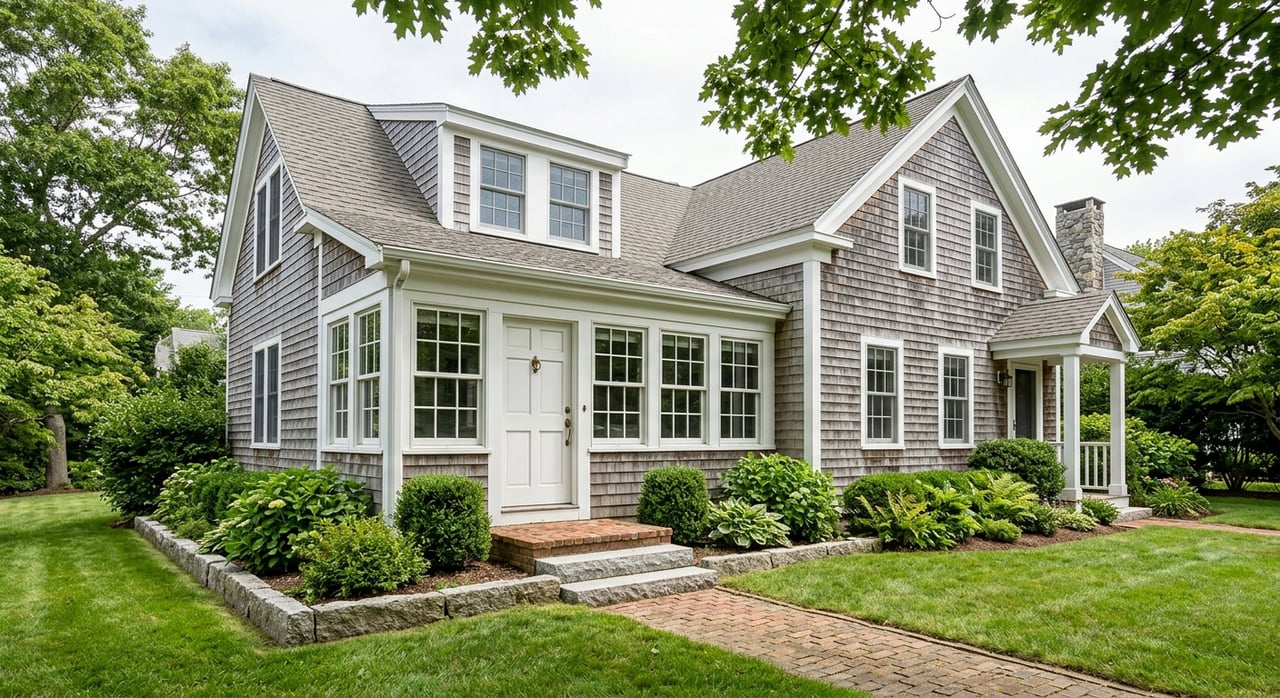
Swansea’s housing stock reflects a long history. According to the Massachusetts Historical Commission survey, the town still includes Colonial-period houses and cottages, along with Federal-period houses and cottages. That gives parts of town a distinctly historic New England feel.
Later growth added another layer. The same survey notes that late-19th- and early-20th-century development brought modest suburban single-family houses along Wilbur Avenue and Fall River Avenue, many in Colonial Revival or Craftsman styles. In South Swansea and Ocean Grove, the survey identifies Colonial Revival, Queen Anne, and Shingle-style houses.
What That Means for Buyers
In practical terms, Swansea offers a mix of older New England colonials and cottages, coastal summer-house era homes, and later single-family suburban houses. That variety can be helpful if you want choices in setting and style without leaving the town. Some buyers are drawn to character and history, while others prefer a more straightforward suburban layout.
Because the housing mix developed over time, the feel can change from one area to another. Some streets lean more historic, while others reflect Swansea’s later suburban growth. If you are comparing options, it helps to look closely at both the home itself and the immediate surroundings.
A Town Shaped by Regional Connections
Swansea may feel quiet, but it is not isolated. The town became increasingly suburbanized as street railways and later Route 6-era growth linked it to Fall River and nearby Rhode Island communities. That pattern still matters today because it helps explain how Swansea functions as both a residential community and a practical jumping-off point for nearby destinations.
The town’s mean travel time to work is 26.0 minutes, which is a bit shorter than the statewide average of 29.1 minutes. That supports the idea of Swansea as a road-oriented town with manageable regional access. For many households, that can make it easier to pair a calmer home base with a broader work or lifestyle radius.
Getting Around Swansea
Public transit in Swansea exists, but it is more corridor-based than urban. SRTA serves Swansea, and Fall River routes also serve the town. That can be useful for some commuters, but most residents will still experience Swansea as a place where road access shapes daily movement.
Local corridor planning reinforces that picture. Town reporting in 2025 noted sewer work affecting land-use potential along Routes 6 and 118, and a Route 103 corridor study describes Ocean Grove’s Wilbur Avenue corridor as running from Warren, Rhode Island, to Somerset, Massachusetts. If you move here, you are stepping into a town with real cross-border connectivity.
Who Swansea May Suit Best
Swansea can be a strong fit if you want a mostly owner-occupied coastal suburb with a residential pace. It may also appeal if you like having local beaches and parks nearby while staying connected to Rhode Island’s East Bay and the South Coast. You get shoreline access and regional convenience without committing to a more tourism-driven environment.
This setting may be especially attractive if your goal is long-term livability. The town’s 6,817 year-round housing units, strong owner-occupancy rate, and neighborhood-oriented recreation all point in that direction. Swansea is less about spectacle and more about steadiness.
What to Consider When Buying in Swansea
If Swansea is on your shortlist, it helps to think beyond the label of “coastal.” In a town like this, your experience can vary based on how close you want to be to the shoreline, what kind of housing style you prefer, and how often you expect to cross into Rhode Island or nearby Massachusetts communities.
A few smart questions to ask include:
- Do you want a home with historic character or a later single-family suburban layout?
- How important is proximity to Swansea Town Beach or shoreline areas like Ocean Grove?
- Will you use Route 6, Route 118, or the Rhode Island border regularly for work or errands?
- Do you want recreation centered on the beach, walking paths, biking access, or a mix of all three?
Those details matter because Swansea’s value is often in how well the town matches your routine. The right fit is not only about square footage or price point. It is also about how you want to live day to day.
Why Local Guidance Matters Here
Swansea looks simple on a map, but the town has real nuance. Housing character varies, shoreline areas have their own context, and cross-border access can shape buying decisions in a big way. That is where local, process-driven guidance can make a real difference.
If you are comparing Swansea with nearby Rhode Island communities or other Massachusetts border towns, it helps to work with someone who understands both the location and the moving parts of the transaction. A calm, organized approach can make it easier to evaluate options, stay on schedule, and avoid unnecessary friction.
If you are exploring Swansea or comparing it with nearby East Bay communities, Brian Jodoin can help you navigate the market with clear guidance, responsive communication, and a well-managed plan from start to finish.
FAQs
What is coastal living in Swansea, Massachusetts like?
- Coastal living in Swansea is more neighborhood-oriented than resort-oriented, with local beach access, shoreline areas along Mount Hope Bay, and a mostly residential feel.
What kinds of homes are common in Swansea?
- Swansea includes Colonial-period and Federal-period houses and cottages, plus later single-family homes such as Colonial Revival, Craftsman, Queen Anne, and Shingle-style houses in some areas.
Does Swansea have a town beach?
- Yes. Swansea Town Beach has seasonal parking, lifeguards, beach-house facilities, rinse stations, restrooms, and a playground with a grass area.
Is Swansea a good fit for buyers who commute?
- Swansea can work well for buyers who want practical regional access, with a mean travel time to work of 26.0 minutes and road connections to nearby Rhode Island and South Coast communities.
What recreation options are available in Swansea besides the beach?
- Memorial Park offers more than a mile of paved walking paths, access to the South Coast Bikeway, and fishing access to Mt. Hope Pond.
How close is Swansea to Rhode Island’s East Bay?
- Swansea borders Rhode Island communities including Warren and Barrington, making it convenient for accessing East Bay amenities such as waterfront areas, parks, and bike paths.
