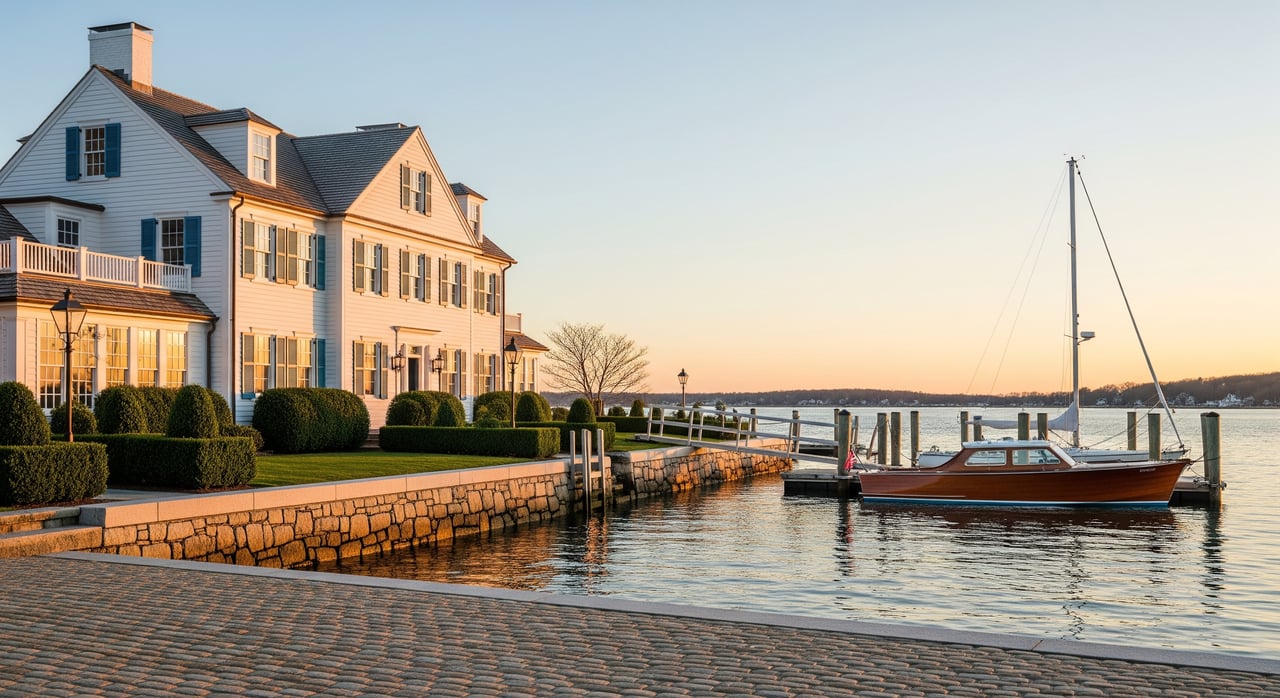
Craving a small-town waterfront life where you can walk to the harbor, parks, and coffee? If you are eyeing Bristol’s historic streets and imagining homeownership, it is normal to wonder how it all comes together day to day. In this guide, you will get a clear picture of homes, lifestyle, commute options, and the practical details that matter on the coast, from flood risk to historic-district rules. Let’s dive in.
Bristol at a glance
Bristol sits on a peninsula between Narragansett Bay and Mount Hope Bay, with a compact downtown wrapped around Bristol Harbor. It feels intimate and walkable near the water, with quieter residential streets a few blocks out. The town is known for its long-running Independence Day traditions, and the community spirit is real around the harbor and parks. You can explore town services and local programs on the Town of Bristol website and learn about the celebration through the Bristol Fourth of July Committee.
Where the waterfront life happens
Harbor and marinas
The harbor is the centerpiece. You will find marinas, seasonal waterfront dining, and regular community events. Boaters and sailors make the most of the protected waters, and many residents plan weekends around the shoreline.
Colt State Park and trails
Colt State Park is a daily go-to for walking, biking, and sunsets. It stretches along the water with paved paths, picnic spots, and broad views across the bay. For park details and amenities, check the Rhode Island DEM Colt State Park page.
Blithewold and culture
Just north of downtown, Blithewold Mansion, Gardens & Arboretum adds a cultural note to the shoreline. It is a waterfront estate with gardens, seasonal programming, and walking paths that many locals enjoy. You can see current exhibits and events on the Blithewold website.
Historic homes and housing options
Architectural styles
Near the harbor and downtown, you will see 18th and 19th century architecture on narrow, historic streets. Colonial, Federal, Greek Revival, and Victorian-era styles show up often. Many homes are wood-frame with period details that have been preserved or thoughtfully updated.
Waterfront and condo living
Along the shoreline you will find a mix of original cottages, larger single-family homes, and some condominium conversions. Waterfront parcels may include seawalls, bulkheads, docks, or shared marina access. There is also selective infill and limited newer construction, especially closer to downtown.
Rental pockets
You will find pockets of multifamily buildings and rentals near the harbor core. Inventory is smaller than in larger cities, but proximity to restaurants and parks makes these streets attractive. Some historic homes have been converted to two or three units that fit well with the downtown fabric.
Walkability, dining, and daily errands
The downtown and harbor core offer a small-town mix of cafés, restaurants, specialty shops, and services. Many residents can walk to parks, marinas, and seasonal events from their front doors. Walkability varies block by block, so it helps to check a specific address on Walk Score and then verify in person at different times of day.
Schools and local services
Bristol is part of the Bristol-Warren Regional School District. Programs and performance change over time, so it is best to review current information directly through the Bristol-Warren Regional School District and state education report cards. Healthcare and specialty services are available in town and across the Providence metro, all within a reasonable drive.
Getting around
Driving times
Most residents rely on cars for daily needs. Depending on traffic and season, Providence is generally a 25 to 45 minute drive. Newport and other nearby destinations are a short regional drive.
Transit and biking
Regional bus service is limited but available on select routes. If you need schedules or route maps, visit RIPTA. In the harbor neighborhoods, biking and walking are practical for short trips, especially in good weather.
Buyer and renter must-knows
Flood risk and insurance
Coastal living brings real flood considerations. Many waterfront parcels lie within FEMA-designated flood zones that can trigger National Flood Insurance Program requirements and higher premiums. Before you fall in love with a property, check its zone on the FEMA Flood Map Service Center, review any elevation certificates, and speak with an insurance agent experienced in coastal policies. For long-term sea level projections, the NOAA Sea Level Rise viewer is a helpful planning tool.
Beyond paperwork, look closely at site conditions. Note elevation, foundation type, drainage, and the condition of any seawalls or bulkheads. Shoreline modifications usually require permits from state coastal authorities. The Rhode Island Coastal Resources Management Council publishes guidance for coastal property owners.
Historic-district rules
Parts of the downtown and harbor area include designated historic properties. Exterior changes visible from the street, additions, and demolition may require review and approval by the local historic commission or building department. You can verify boundaries and approval steps with the town through the Town of Bristol website. Build timeline flexibility into any renovation plan.
Maintenance and inspections
Older homes can carry higher maintenance needs. Roofing, exterior trim, windows, foundations, and older mechanicals may need attention sooner than in newer builds. A home inspection plus contractor walkthroughs, especially with pros who know historic structures, can help you budget and plan.
Utilities and septic
Downtown areas are often served by municipal water and sewer. Some outlying or shoreline properties may have older septic systems. Confirm current connections and consider an independent septic inspection before purchase.
Parking and seasonal visitors
Historic streets can be narrow, and on-street parking may be limited. Summer weekends bring more visitors to the waterfront, which can tighten parking and add traffic near popular areas. If off-street parking matters to you, make it a non-negotiable from the start.
Financing and insurance
Lenders and insurers sometimes apply stricter terms for waterfront and historic homes. You may see different down payment requirements or underwriting tied to flood zones and building age. Start conversations early with your lender and insurance agent so your timelines stay on track.
A simple game plan for exploring Bristol
Use this step-by-step plan to move from browsing to a confident offer.
- Walk the harbor core at different times. Notice parking, noise, and how the streets feel on a weekday morning versus a summer Saturday. Keep a short list of blocks that feel right.
- Map your daily needs. Drop pins for work routes, childcare, and favorite parks. Try a test commute during your usual drive window and review bus options on RIPTA if transit matters to you.
- Narrow home types. Decide whether you prefer a single-family with yard, a condo with lower upkeep, or a multifamily with rental potential. Rank your must-haves and nice-to-haves.
- Check fundamentals early. Pull the property’s FEMA flood zone, review elevation data through the NOAA viewer, and confirm whether the address falls in a historic district through the Town of Bristol. Note any permits you would need for planned changes.
- Vet maintenance and systems. Price out likely updates with contractors who know historic homes. Add reserves for roof, windows, and exterior paint if a house shows deferred maintenance.
- Align financing and insurance. Share the property’s age and flood zone with your lender and insurance agent. Clarify coverage, deductibles, and reserves before you write.
- Time your move. Inventory in coastal towns can be seasonal. Have your documentation ready so you can move quickly when the right home appears.
Why Bristol’s waterfront may be a fit for you
If you value walkable streets, daily access to parks and the water, and the character of historic homes, Bristol’s harbor-side neighborhoods offer a strong blend of lifestyle and convenience. You can find quiet residential pockets a short walk from cafés and marinas, plus community traditions that bring everyone together. With a practical plan for flood risk, permits, and maintenance, you can make a confident move here.
Ready to turn research into a plan that fits your timeline and budget? Connect with Brian Jodoin for calm, end-to-end guidance and local insight from a multi-generation Bristolian.
FAQs
Is Bristol, RI walkable near the waterfront?
- The harbor and downtown core are generally walkable for dining and errands, but walkability varies block by block. Check a specific address on Walk Score and verify in person.
What should I know about flood risk for Bristol waterfront homes?
- Many shorefront parcels sit in FEMA flood zones that may require flood insurance. Review the FEMA Flood Map Service Center, ask for elevation certificates, and plan for resilience.
Do I need approvals to renovate a historic Bristol home?
- Properties in designated historic areas often require review for exterior changes. Confirm boundaries and process with the town via the Town of Bristol website before planning work.
How long is the commute to Providence or Newport from Bristol?
- Typical drive times to Providence are about 25 to 45 minutes depending on traffic and season, with shorter drives to Newport and nearby towns. Transit options are limited through RIPTA.
What parks and cultural spots are close to the harbor?
- Colt State Park offers waterfront paths and picnic areas, and Blithewold provides gardens and seasonal programs. Learn more at the Colt State Park page and Blithewold.
Which school district serves Bristol?
- Bristol is served by the Bristol-Warren Regional School District. For current programs and enrollment details, visit the Bristol-Warren Regional School District.
