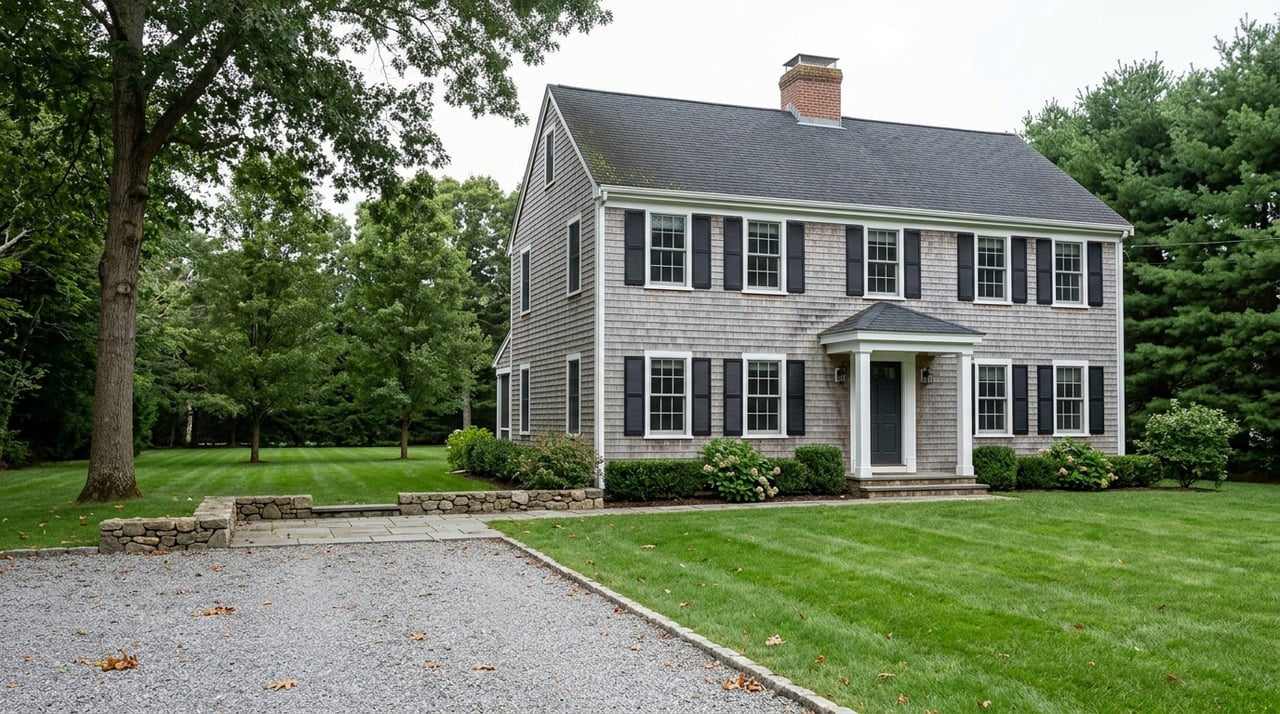
Buying land in Rehoboth can look simple on paper, but a vacant parcel and a buildable home site are not always the same thing. If you are hoping to build, you need more than a listing sheet and a good first impression. You need to know whether the lot can support a house, a private well, a septic system, and the approvals that go with them. This guide will help you understand the local issues that matter most so you can make a more confident decision. Let’s dive in.
Why Rehoboth land buying is different
Rehoboth is different from many nearby communities because it does not have a public water supply system or sewer system. Most residences rely on private wells and septic systems, which means your due diligence needs to focus heavily on water and wastewater feasibility.
That one fact shapes almost every land purchase in town. A parcel may look large enough on a map, but the real question is whether it can support a home while also meeting local and state requirements for setbacks, access, well placement, and septic design.
Start with zoning and parcel data
Before you make an offer, confirm exactly what you are buying. Rehoboth provides Assessor’s Maps and Property Cards, an online GIS mapping portal, and zoning map resources that can help you verify map and lot numbers, district boundaries, and possible overlay districts.
In Rehoboth, the zoning bylaw lists a minimum lot area of 60,000 square feet and 200 feet of frontage in the Residential/Agricultural districts. The same 60,000-square-foot and 200-foot frontage standard also appears in the Business districts. Those numbers are important, but they are only the starting point.
You also need to confirm whether the parcel is affected by overlay districts such as the Groundwater Protection District or Flood Plain District. A lot can meet the base dimensional rules and still need additional review or face added restrictions because of an overlay.
Confirm buildability, not just vacancy
One of the most common mistakes buyers make is assuming that a vacant lot is automatically buildable. In Rehoboth, that assumption can create expensive surprises.
A smart first step is to verify the underlying zoning district, required frontage, legal access, setbacks, and any recorded easements. You should also review whether the parcel was created through a subdivision or approval process that affects how it can be used today.
Rehoboth’s subdivision regulations make an important point: Planning Board signatures do not guarantee that all or any part of the lots shown are buildable lots. In plain terms, an endorsed or recorded plan is not the same as proof that you can build the home you want.
Check wetlands and floodplain early
Environmental constraints can have a major impact on a home site in Rehoboth. The town’s Conservation Commission states that activities within 100 feet of a wetland or 200 feet of a perennial stream must first be permitted by the commission.
That means wetland conditions can affect where you place a house, driveway, septic system, or other site improvements. If the parcel is also in the Flood Plain District, additional zoning review may apply, and some uses may require special permits.
This is why wetland and floodplain review should happen early, not after you are emotionally committed to the property. If you wait too long, you may learn that the usable building area is much smaller than expected.
Well and septic feasibility matter most
Because Rehoboth relies on private systems, well and septic feasibility are often the biggest issues in a land purchase. The Board of Health regulates sewage disposal systems and wells, and local requirements can shape whether a site is practical for development.
The town’s well regulations require a Board of Health permit for development of a suitable water supply before construction starts on a building intended for human occupancy. The required site plan must show the building location, water supply, sewage disposal, driveways, and nearby wells and septic systems within 200 feet.
On the septic side, Massachusetts Title 5 governs the siting, construction, inspection, upgrade, and expansion of on-site sewage disposal systems. For a buyer, the big takeaway is simple: do not treat a lot as build-ready until qualified professionals have evaluated the site for both well and septic feasibility.
Expect a team, not one opinion
Buying a resale home usually comes with an existing structure, existing utility pattern, and a shorter list of unknowns. Buying land is different because you often need answers from more than one specialist before you can make a sound decision.
Depending on the parcel, your due diligence may involve a Massachusetts registered professional land surveyor, a septic or Title 5 professional, and sometimes a geologist, hydrologist, soil scientist, or licensed engineer. Rehoboth’s rules specifically point toward these types of professionals when surveying, groundwater, and site conditions are part of the review.
That may sound like a lot, but it is better to spend time and money on clear answers up front than to discover late in the process that the lot cannot support your plans.
Review title, plans, and lot history
A parcel’s legal history matters just as much as its physical characteristics. Before moving forward, review the deed, assessor record card, and any recorded plans tied to the property.
This is especially important if the lot may have been split from a larger parcel, shown on an older subdivision plan, or affected by a recorded easement. A prior plan or decision can change how access, frontage, or future development is treated.
If a lot looks straightforward but has a complicated history, take the time to sort that out before your contingency periods end. Clear title and a clean build path are not always the same thing.
Understand the likely timeline
If you are used to buying an existing home, land can feel slow. That is normal.
A vacant land purchase often requires zoning confirmation, title and plan review, wetland or floodplain review, well and septic feasibility work, and then permit routing before construction can begin. Rehoboth’s online permitting page notes that permit applications are typically reviewed in at least 48 business hours, and plans needing review by other departments may need to be physically delivered to the Building Department for distribution.
The practical takeaway is that land deals usually involve more moving parts and a longer decision window than a standard resale home purchase. Building in enough time for professional reviews can help you avoid rushed choices.
A practical checklist for buyers
If you are considering land or a home site in Rehoboth, focus on these questions first:
- What is the parcel’s zoning district?
- Does it meet the lot area and frontage requirements?
- Is there legal and usable access?
- Are there wetlands, stream buffers, or floodplain issues?
- Is the site likely to support a private well?
- Is the site likely to support a septic system?
- Are there easements, old plans, or prior approvals that affect buildability?
- Has anyone actually confirmed buildability, rather than assuming it from a map or listing?
These are the questions that drive real decisions in Rehoboth. A beautiful parcel is only a good opportunity if the site conditions and approvals line up with your goals.
Know the tax context
Carrying costs matter when you are comparing land opportunities. Rehoboth’s FY2026 real estate and personal property tax rate is $10.85 per thousand, plus a 1 percent Community Preservation surcharge.
That does not tell you whether a parcel is the right fit, but it does help you evaluate ownership costs as part of your bigger budget. If you are comparing multiple sites, tax impact is one more detail worth reviewing early.
Why process matters in Rehoboth
Land purchases reward patience and good coordination. In a town like Rehoboth, where private wells, private septic systems, zoning overlays, and conservation review all play a role, a calm and organized process can protect you from avoidable mistakes.
If you approach the purchase methodically, you give yourself a much better chance of ending up with a site that matches your plans. That means checking records, asking the right questions, and bringing in the right professionals before you move past contingencies.
If you want a steady, well-managed approach to buying land or a home site in Rehoboth, Brian Jodoin can help you navigate the process with clear communication, local perspective, and thoughtful coordination from start to finish.
FAQs
What makes buying land in Rehoboth different from buying a house?
- Rehoboth does not have municipal water or sewer service, so most land purchases depend heavily on private well and septic feasibility, along with zoning, access, and environmental review.
What are the basic zoning size requirements for many lots in Rehoboth?
- In Rehoboth’s Residential/Agricultural districts, the zoning bylaw shows a minimum lot area of 60,000 square feet and 200 feet of frontage, and the same standard appears in the Business districts.
What wetland rules should land buyers know in Rehoboth?
- The Conservation Commission states that activities within 100 feet of a wetland or 200 feet of a perennial stream must first be permitted by the commission.
What local offices should buyers check before buying a home site in Rehoboth?
- Buyers should review information with the Building Department, Board of Health, Conservation Commission, and Planning Board, depending on the parcel and the type of project planned.
What does the Rehoboth Board of Health regulate for land buyers?
- The Board of Health regulates wells and sewage disposal systems, and its well rules require a permit for development of a suitable water supply before construction starts on a building intended for human occupancy.
Does a recorded subdivision plan prove a lot is buildable in Rehoboth?
- No. Rehoboth’s subdivision regulations state that Planning Board signatures do not guarantee that all or any part of the lots shown are buildable lots.
