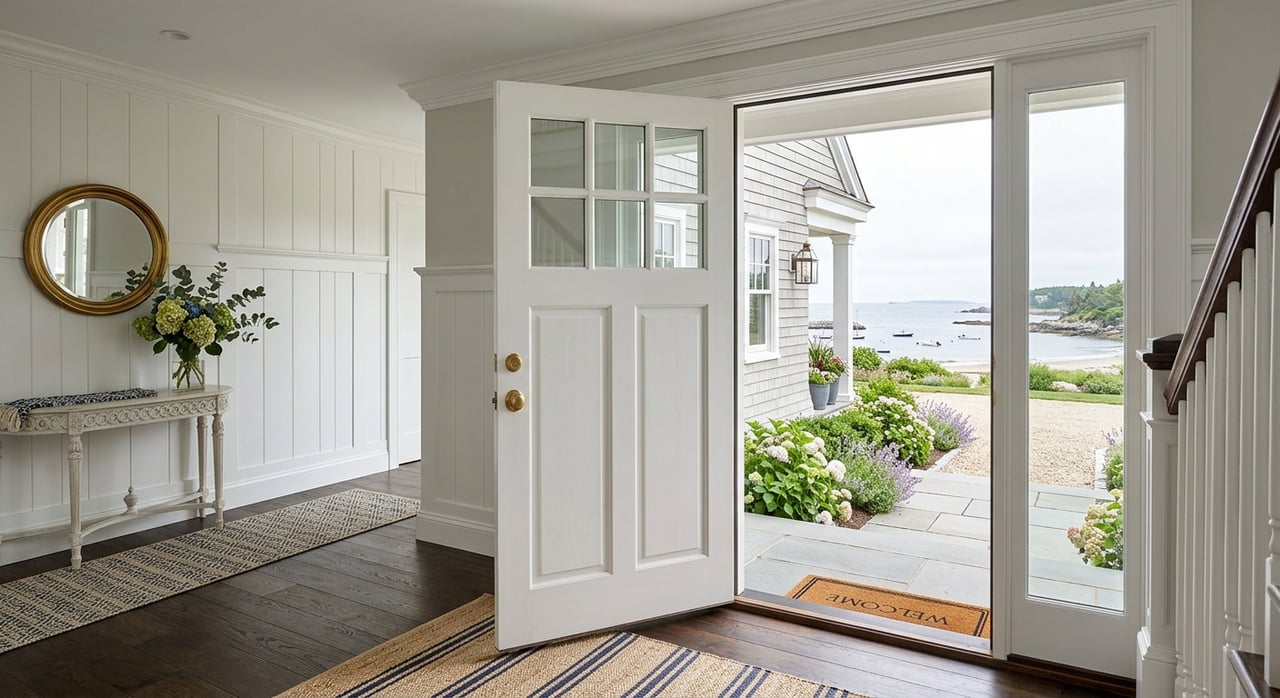
Selling your Bristol home does not have to feel chaotic. If you want a smoother move, fewer last-minute surprises, and a plan you can actually follow, the right approach starts well before your home hits the market. With Bristol’s higher price points, fast-moving early showing window, and Rhode Island disclosure steps, a calm, organized process can make a real difference. Let’s dive in.
Why a plan matters in Bristol
Bristol is a small market, which means monthly numbers can swing quickly. In early 2026, reported median sale prices ranged from about $615,000 to $750,000 depending on the source and time period, and homes were selling in roughly 22 to 37 days on market according to local and national data sources. That is why your sale strategy should focus on recent Bristol comps, not broad statewide averages or one automated estimate. RIAR town-level sales data and Redfin’s Bristol market snapshot both show how different Bristol can look from the wider Rhode Island market.
The other key point is that Bristol does not behave like a market where you can list casually and adjust later without consequences. Redfin’s Bristol data showed a strong sale-to-list ratio, while Realtor.com described the market as more balanced. Put simply, pricing and presentation matter just as much as location, especially in your first days on the market.
Start earlier than you think
A low-stress sale usually begins months before the listing date. If you wait until a few weeks before launch, you may end up juggling repairs, cleaning, documents, photography, and disclosure forms all at once.
A better plan is to work backward from your ideal move date. National timing research suggests spring can be a strong listing window, with Zillow noting late May as a national sweet spot, and Realtor.com’s 2025 analysis identifying mid-April as a strong week to sell. The practical takeaway is simple: if you want to list in spring, your prep needs to happen in winter or earlier.
Your low-stress selling timeline
6 to 12 months before listing
This is the time to get clear on your goal. Are you trying to maximize price, sell quickly, or keep the process as convenient as possible? That answer shapes everything from repair choices to pricing strategy.
You should also begin gathering key documents early, including permits, repair records, warranties, surveys, and any prior inspection reports. Rhode Island disclosure requirements are easier to manage when you are not rushing, and the state requires the residential disclosure form to be acknowledged in the purchase agreement. According to Rhode Island law, failure to provide the disclosure can trigger a civil penalty of up to $1,000 per occurrence.
60 to 90 days before listing
This is the ideal window for visible prep work. Focus on paint touch-ups, minor repairs, landscaping, decluttering, and a full deep clean.
That work is not just cosmetic. In the National Association of Realtors 2025 staging report, the most common seller recommendations were decluttering, whole-home cleaning, and curb appeal improvements. These are simple updates, but they directly support a cleaner, more polished launch.
30 to 60 days before listing
Now it is time to prepare your home for market-facing presentation. That can include staging, photography, video, and virtual tours.
This step matters because many buyers decide whether to book a showing based on visuals first. The same NAR staging report found that buyers’ agents placed high importance on photos, staging, videos, and virtual tours. It also reported that 17% of buyers’ agents said staging increased offered value by 1% to 5%.
First 1 to 2 weeks on market
This is your main marketing window. Bristol homes have recently sold in about 22 to 37 days depending on the source, so the first two weeks are especially important for traffic, feedback, and pricing response. Local market data supports reviewing showing activity quickly rather than waiting too long to adjust.
If interest is lighter than expected, you should be ready to revisit price, presentation, or timing. Fast feedback is often less stressful than watching the listing sit and wondering what went wrong.
Accepted offer to closing
Once you are under contract, a financed sale typically takes around 30 to 45 days to close. Some cash deals can close in as little as one to two weeks if the paperwork is clean, according to Chase’s closing timeline overview.
This phase usually includes title work, inspections, appraisal if needed, underwriting, and final document review. A clear checklist can keep this stage from feeling overwhelming.
Price with Bristol comps, not guesswork
One of the most common seller stress points is pricing. Set the price too high, and you may lose momentum during the most important days of your launch. Set it too low without a clear strategy, and you may leave value on the table.
Because Bristol is a small market, a few sales can noticeably shift the median. That is why it is smart to rely on recent Bristol comparable sales, your home’s current condition, and current buyer response, rather than a broad estimate alone. RIAR’s January 2026 report showed Bristol’s single-family median well above the statewide figure, which reinforces how local your pricing strategy should be.
Make marketing do the heavy lifting
If your goal is a lower-stress experience, your marketing should reduce friction, not create more of it. A polished digital launch can help attract serious buyers early and limit wasted showings.
That means strong photography, video, virtual tours, and clear scheduling from day one. The NAR 2025 staging report supports a digital-first strategy, especially for out-of-area or remote owners who want fewer disruptions and more qualified interest upfront.
A managed showing plan can also make a big difference. Grouped appointments, fewer last-minute requests, and one point of contact for access and feedback can make the process feel far more predictable.
Prepare for Rhode Island seller requirements
A calm closing starts with early compliance. Rhode Island has a few seller obligations that are much easier to handle before your home is listed.
Rhode Island disclosure form
Rhode Island requires a completed residential real estate disclosure form, and the purchase agreement must acknowledge it. The form covers known deficient conditions, while also making clear that buyers should still conduct their own inspections. You can review the rule in the Rhode Island disclosure statute.
Historic district disclosure
If your property is located in a historic district, that fact must also be disclosed under Rhode Island law. The statute notes that historic district properties may face limits on construction, expansion, or renovation, which can be especially relevant for older Bristol homes. The requirement appears in the state definition section for disclosures.
Lead-based paint for pre-1978 homes
If your home was built before 1978, federal law requires disclosure of any known lead-based paint hazards. Sellers must also provide the EPA pamphlet and allow buyers a 10-day period to inspect for lead hazards. The EPA’s lead-based paint disclosure rule outlines these requirements.
Smoke and carbon monoxide alarm certificate
Rhode Island also requires a smoke and carbon monoxide alarm certificate at transfer. According to the State Fire Marshal’s guidance, the inspection must be completed within 120 days before the sale.
Plan for seller closing costs
Closing costs are another area where planning lowers stress. In Rhode Island, the real estate conveyance tax is generally paid by the seller unless the parties agree otherwise.
As of January 2026, the tax is $3.75 per $500 of consideration, with an added tier on residential consideration above $824,000. You can confirm the current structure through the Rhode Island Division of Taxation. For many Bristol sales, this will be an important line item in your net proceeds estimate.
Keep the process simple
The lowest-stress sale is usually not the one with the fewest tasks. It is the one with the clearest sequence. When prep, pricing, marketing, showings, disclosures, and closing steps are handled in order, the process feels more manageable from start to finish.
If you want a calm, organized sale in Bristol, having one accountable advisor coordinate the moving parts can make a real difference. From prep timing to pricing strategy to vendor coordination, Brian Jodoin brings a local, process-driven approach designed to help you move forward with clarity.
FAQs
What is a realistic timeline to sell a home in Bristol, RI?
- A practical plan often starts 60 to 90 days before listing for prep work, while homes in Bristol have recently sold in about 22 to 37 days on market depending on the source, plus roughly 30 to 45 days to close on a financed sale.
What should Bristol sellers do before listing a home?
- You should gather documents, complete minor repairs, declutter, deep clean, improve curb appeal, and schedule professional visuals like photography and video before your home goes live.
How should a Bristol home be priced for sale?
- Your home should be priced using recent Bristol comparable sales, current market conditions, and the property’s condition rather than relying only on statewide trends or automated estimates.
What disclosures are required when selling a home in Rhode Island?
- Rhode Island sellers generally need a residential disclosure form, and some homes may also require historic district disclosure, lead-based paint disclosure for pre-1978 properties, and a smoke and carbon monoxide alarm certificate before transfer.
How long does it take to close after accepting an offer in Rhode Island?
- A financed sale typically closes in about 30 to 45 days, while some cash sales can close in 7 to 14 days if title and documents are ready.
What makes a home sale lower stress for out-of-area Bristol sellers?
- A low-stress approach usually includes early planning, strong digital marketing, grouped showings, clear updates, and one person coordinating prep, access, feedback, and closing tasks.
